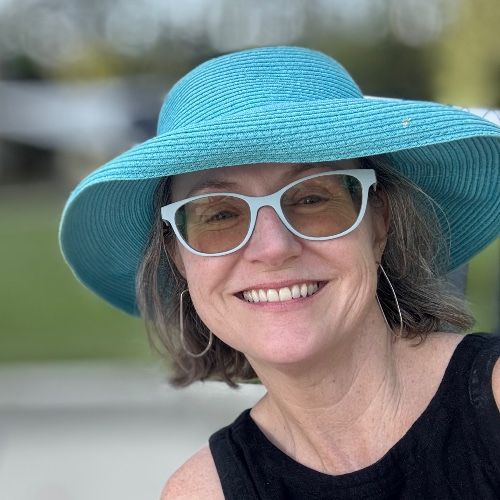
Country Fried Rock 1227: Steve Poltz Says Noineen Noiny Noin
Summary
From 2012: Steve Poltz, the musical maestro with a penchant for storytelling, takes center stage in this delightful episode of Country Fried Rock. He dives into his wild journey that began in Australia back in '99, where a chance encounter during a tour with Jewel ignited his love for the land down under. With a lively spirit, he shares the inspiration behind his latest album, uniquely titled Noineen Noiny Noin, a name that sparked curiosity and a smirk or two. Listeners will relish his tales of musical evolution, from classical guitar roots to the whimsical world of fingerstyle rock, peppered with anecdotes about his family and the whimsical influences that shaped his artistry. Poltz reminds everyone that staying true to oneself and being fearless in creativity is the ultimate way to connect with an audience, while also serving up a hearty dose of humor and insight along the way.
Links
- REMINDER: IGNORE ALL LINKS OR EVENTS MENTIONED IN THIS EPISODE FROM 2012
- Toss a few in our Tip Jar!
- Steve Poltz
- You may also like this conversation from 2012 with Shurman
Show Notes
In this vibrant and freewheeling episode, Steve Poltz takes us on a joyride through the stories, sounds, and serendipity behind his career and latest record, Noineen Noiny Noin. Tune in for a rich mix of heartfelt memories, sharp wit, and musical insight.
Highlights from the conversation:
- Steve’s unexpected love affair with Australia, sparked during a tour with Jewel back in 1999
- The hilarious origin of his album title Noineen Noiny Noin and how a casual promoter interaction turned into creative gold
- Early musical roots, including:
- Uncle Louie’s influence through Beatles and Monkees records
- First encounters with classical guitar and an eccentric fingerstyle teacher who helped shape his sound
- Poltz’s approach to songwriting:
- Why learning from the greats still matters
- How humor and honesty fuel his lyrical voice
- Turning everyday moments into lasting songs
- A thoughtful look at how the music industry has shifted, and how Poltz stays grounded while evolving
- His creative philosophy: embrace the winding path, stay open, and keep telling stories
Why You’ll Love This Episode:
Steve Poltz brings a mix of deep reflection and unpredictable humor, making this a must-listen for fans of authentic songwriting, behind-the-scenes stories, and the creative process at large.
Listen now and let Steve’s journey remind you: music is about more than just sound; it’s about connection, curiosity, and never losing your spark.
Chapters
- 00:00 - Introduction to Country Fried Rock
- 00:22 - The Journey to Australia
- 13:42 - Finding Your Voice as a Songwriter
- 15:32 - Creative Freedom in Music
- 23:25 - The Creative Process of Music Making
- 29:15 - The Challenges of Touring and Personal Growth in Music
- 37:01 - The Influence of Political Identity in Music
Takeaways
- Steve Poltz's journey to Australia began in 1999 while on tour with Jewel, sparking a lifelong connection.
- The unique title of Poltz's album, inspired by a promoter's quirky pronunciation, sets it apart in the music scene.
- Poltz emphasizes the importance of learning from musical greats, encouraging aspiring artists to study complex songs.
- He recalls how his classical guitar training shifted to folk influences, particularly from Bob Dylan and Neil Young.
- The unpredictability of live performances can lead to remarkable shows, as Poltz experienced in Ann Arbor, where he felt truly inspired.
- He believes in the necessity of honesty in songwriting, which resonates with audiences and fosters genuine connections.
Mentioned in this Episode
- Jewel
- Mercury Records
- T Bone Burnett
- Full Tones
- Steve Soto
- Twisted Hearts
Recommended If You Like
country fried rock, Steve Poltz, music inspiration, Australian music scene, fingerstyle guitar, songwriting process, live music performance, music collaboration, political music, folk rock, creative expression in music, learning guitar, classic rock influences, music industry insights, storytelling through music, contemporary folk artists, house concerts, music and politics, acoustic performance, musician interviews
Transcript
Speaker A
Welcome to Country Fried Rock, where we talk with musicians to find out what inspires their creativity. Country Fried Rock music uncovered. My guest today on Country Fried Rock is Steve Poltz.
Speaker B
Welcome, welcome. Thank you.
Speaker A
Thank you for being with us. Well, mainly from the title, took me a minute to say it out loud to get it and then I went, oh, tell me how you ended up in Australia.
Speaker B
The way I ended up in Australia was back in 1999. I was on tour with Jewel and I was her opening act all over the world and also in her band playing guitar.
So I had double duties and the tour took us to Australia and that began my love affair with Australia. I've been there 12 times. So recently when I was over there, I ran into one of the promoters that I met a long time ago through Jewel.
And I said, when? What year was that? That I was there? And he said to me, well, Rick. And he was 90, 99. And I thought that was so cool, the way he said naughty, naughty.
Nein that I phonetically spelled it out. N o I N E E N n O I N Y N O I N. So no, no, no. I said, that's gonna be the name of my next record. And everybody said, you can't do that.
And I said, yes, I can't. And here it is.
Speaker A
I love it, especially because visually it's complicated, but once you say it, it isn't complicated.
Speaker B
Yeah. And it's the only noiny noin record out there. There's a few. Let it be. Like, if you look up certain titles, I wanted mine to be the only one.
Speaker A
That's actually a really good idea.
Speaker B
Thank you.
Speaker A
I had not thought about that. I know that with, like, band names, that's particularly helpful, but I hadn't thought about it in terms of album names.
Speaker B
Yeah.
Speaker A
I know that you play a particularly intricate finger style way, but how did you originally get into playing music way back?
Speaker B
Well, the way I got into playing music was I have an uncle who's a brilliant piano player, and it's Uncle Louie. And we're all from Canada originally. And Uncle Louie, that side of my family is all from Cape Breton, where there's a lot of music.
And so Uncle Louie came down and he was and still is, has always been a really cool uncle and has influenced me a lot. And so he would give me Beatles records and Monkees records, both Monkees and the Beatles, and he would take me to concerts.
He took me to see Jesus Christ Superstar at the Hollywood Bowl. We used to go to the Hollywood bowl and I got really into Jesus Christ Superstar, like both albums, Andrew Lloyd Webber and Tim Rice.
But the way I got into guitar was at a young age, I think I was like six. He took me to see Julian Bream, this classical guitarist from England, at the Hollywood Bowl.
And it was just a brilliant concert, like concerts I remember as a kid were Sarah Vaughn, Ella Fitzgerald and Carmen McCray and then Julian Bream. So I saw some pretty heady stuff for a young kid. And the Julian Bream one was the one that really affected me the most.
And I remember when I left there, I said, I want to learn to play a string instrument. And they said, well, okay, you want to learn banjo or guitar? And I said, I want to learn classical guitar.
So we had a guy come over to teach me and I'll never forget he had a glass eye and a wooden leg and he smelled like mothballs.
Speaker A
Great.
Speaker B
I wanted to rock. But he brought over the Mel Bay guitar method book. And it was so boring. I remember as a kid going, this is it.
It's sort of when you hit that reality that you're just not going to pick up guitar right away and start rocking that. It takes work.
So I wanted to quit, but I owe it to my parents for saying, if we pay for these lessons, you have to promise you're going to practice an hour a day. They made me stick with that promise. At first it's hard. It's kind of like breaking a horse, a wild horse and teaching them how to be.
But then it was like a funny thing happened on the way to wherever I was going. I got what happened was after about a few months, it just became a habit to practice play guitar. And it became my time with just me.
And I got really into it. So that's how I started playing that style, finger style.
Speaker A
Then wasn't a huge change just bringing some rock and roll into it, right?
Speaker B
Yeah, it was more of a change when I. When I left from playing classical guitar, which I did for years, to kind of playing like James Taylor style stuff and listening to.
I remember the very first day I really heard Bob Dylan. I mean, like, I had heard him on the radio every once in a while.
But the day I really heard him was I have another uncle who had left some records and he had moved away and gone. I think he went to Vietnam or something and he left records. And one of the records was Bob Dylan, Blonde on Blonde.
And I remember being bored one day and I put that on and I recognized the sound on Just Like a Woman of a Classical Guitar, because it's definitely a nylon string or what we call a gut string guitar. And you can tell by the sound of it, it's just got a softer tone. I went, wow, that's a classical guitar. Yet he's playing folk pop music.
And it's that whole lick in between. She breaks just like a little girl Dun dun dun dun dun dun dun dun dun dun dun dun dun dun that's finger pick on a classical guitar.
And my ears recognized it. And then I got really into Bob Dylan and his idiosyncratic style of singing and the way he phrased words out.
And, like, when he sings a word, it becomes the word, you know, with the way he would stretch the word out. And he could say it with such vindictiveness or such sweetness, depending on the song. And I really took to that.
Almost like the way Sinatra sings as well. When Sinatra sings a word, he's almost like a Shakespearean actor in his phrasing.
Like, if you listen to Sinatra sing in the wee small hours of the morning, you're really transported, too. Here's this guy in the wee small hours of the morning, you know, lamenting and pining for this woman the way Sinatra did it.
I think he was really a gift. An American original, too, in his phrasing, just as Dylan is. Hi, this is Steve Pulse. You listen to country fried rock.
If you want to check out my music, go to pulse.com p o l.
Speaker A
Tz.Com pulse.com this has my brain going in so many different directions in terms of back to the Dylan thing. You're pretty young when that hit, though.
Speaker B
Yeah, but I was a really precocious little kid, and I was up and modest. I was. I was glued to the Smothers Brothers Comedy Hour.
And I was really trying to figure out what the adults were seeing in those jokes, because it was funny to me. Tommy's shenanigans and seeing his brother Dickie Smothers get angry with him.
And then my dad explained to me what a straight man was versus the comedic guy and how, like, as a duo, you need one straight man. Not to be confused with my Uncle Louie, who is a gay man. It's a whole different thing.
And so I really got into all that stuff and what was happening, and it was exciting to me. And why were we involved in Vietnam? And every day I would ask my parents, well, why? I still don't understand why we're killing people. Like, why?
So they got that mad. Can't they sit down at a table? I was constantly asking this question. So we're going to kill people, right? Wait, so I was like obsessed with this.
I get the globe, I'd say. So right now we are killing people here, right? Yeah. Steve, can we change the submit? No, we're shooting people like kids and stuff.
They're getting killed over what? Well, there's this thing called communism. And it really was.
I grew up with that awareness because I was, you know, in 1966, I was a six year old little kid. Like my earliest memory is my mom crying at Kennedy's funeral on tv. I remember that. And I was wondering why she was crying.
And then I remember Martin Luther King being assassinated. I remember Bobby Kennedy being assassinated.
And there was this whole period of tumultuous and it seemed like every day some rock star was Odin, Jimi Hendrix, Janis Joplin. And so I remember I had pictures of the Beatles on my wall and I was obsessed with Richard Nixon. Why did he not like John Lennon?
You know, why can't people just get along? And so all of that really played into music. And music to me back then was scary. You know, it scared me that I was drawn to it.
Speaker A
So a lot of those questions then still remain in our current lives as well.
Speaker B
They still remain today. Yeah, it's ever elusive. There's an answer. You know, you can take it all the way to the riddle of the Middle East.
How, how is that ever going to be solved?
You know, and it goes back to tribal thinking and kind of United States trying to force democracies on people that aren't ready or supporting dictators in countries that we have no business being in because it's economically beneficial to us to support them. And then wondering why, when they turn against us, why are they turning against us?
Well, you know, because it was ripe for somebody like Fidel Castro to come in back in the years with Che Guevara. Just if you just look at the whole thing historically.
Like I've always, when I went to college, I studied political science and I was, I even brought my professors home for Thanksgiving from the college I went to. And I'm talking like conservative and liberal professors. I hung out with both.
One of my teachers was a total Nixon apologist and we read pro Nixon books. And I loved that guy.
Like his arguments were very cogent and valid and the way that he phrased his arguments to why Nixon was a brilliant politician, which in many ways he was. Ping pong diplomacy. However, his own paranoia got the best of them. But I think all that plays into music.
Speaker A
So at what point did those Thoughts and or feelings end up coming through in your music.
Speaker B
Well, that took a long time. I didn't write songs till I got older. I always tried to write songs. But what I did do was learn a lot of songs.
And that's what I tell a lot of people today. Like younger players. Learn all the songs you can and learn really complex songs.
Like, a couple years ago, I learned the Marvin Hamlisch, Marilyn and Alan Bergman song that they co wrote together called the Way We Were that Streisand had a hit with.
Speaker A
Oh, yeah? Yeah.
Speaker B
It's a beautiful song. And if you really look at it lyrically and melodically, it's crazy. The chord changes or I learn.
I tell the guitarist, learn a Jimmy Webb song like by the Time I Get to Phoenix. Because they're deceptively. They're very deceptive. You think, oh, that's not gonna be that hard. But the chords that Jimmy Webb uses are brilliant.
And make. Make those guys your gurus and your teachers. And if you study those songs, it's gonna manifest itself in some way in your writing.
Because we're all sponges. And you're gonna pick up something out of it. Listen to that and listen to the Sex Pistols. Listen to Nevermind the Bollocks.
I mean, the production on that album's crazy.
Speaker A
Yeah.
Speaker B
It's insane how good that record is. You know, I love listening to some really hardcore punk rock and then listen to some beautiful, you know, Barbra Streisand.
And I think they're all valid and they're gonna come out in different ways. I didn't start writing till I was older, but I learned a lot of songs, like from Loud and Wainwright singing Dead Skunk in the Middle of the Road.
I always loved those humorous songs to Pete Seeger, you know, waist Deep in the Big. A political song about questioning authority.
Speaker A
That's interesting because the methodology then is really similar to that of how famous artists originally learned. You study the masters, you imitate the masters, then you move on.
Speaker B
Yeah, I'm a true believer in that. And for classical guitar, I listened to, you know, I had my favorites. There was a female player, Leona Boyd.
She was fantastic and also beautiful to look at. She was like my first crush. I was like, wow, this girl's hot. And I was a kid, and she plays classical guitar. And then, of course, Segovia.
I never liked Christopher Parkening that much. There was something about. I even had a sense of weird style back then. I didn't like his turtlenecks he wore. Offensive to my sense of Style.
I thought he was too hoity toity. And I...
Transcript
Welcome to Country Fried Rock, where we talk with musicians to find out what inspires their creativity.
Speaker A:Country Fried Rock music uncovered.
Speaker A:My guest today on Country Fried Rock is Steve Poltz.
Speaker B:Welcome, welcome.
Speaker B:Thank you.
Speaker A:Thank you for being with us.
Speaker A:Well, mainly from the title, took me a minute to say it out loud to get it and then I went, oh, tell me how you ended up in Australia.
Speaker B: d up in Australia was back in: Speaker B:I was on tour with Jewel and I was her opening act all over the world and also in her band playing guitar.
Speaker B:So I had double duties and the tour took us to Australia and that began my love affair with Australia.
Speaker B:I've been there 12 times.
Speaker B:So recently when I was over there, I ran into one of the promoters that I met a long time ago through Jewel.
Speaker B:And I said, when?
Speaker B:What year was that?
Speaker B:That I was there?
Speaker B:And he said to me, well, Rick.
Speaker B:And he was 90, 99.
Speaker B:And I thought that was so cool, the way he said naughty, naughty.
Speaker B:Nein that I phonetically spelled it out.
Speaker B:N o I N E E N n O I N Y N O I N. So no, no, no.
Speaker B:I said, that's gonna be the name of my next record.
Speaker B:And everybody said, you can't do that.
Speaker B:And I said, yes, I can't.
Speaker B:And here it is.
Speaker A:I love it, especially because visually it's complicated, but once you say it, it isn't complicated.
Speaker B:Yeah.
Speaker B:And it's the only noiny noin record out there.
Speaker B:There's a few.
Speaker B:Let it be.
Speaker B:Like, if you look up certain titles, I wanted mine to be the only one.
Speaker A:That's actually a really good idea.
Speaker B:Thank you.
Speaker A:I had not thought about that.
Speaker A:I know that with, like, band names, that's particularly helpful, but I hadn't thought about it in terms of album names.
Speaker B:Yeah.
Speaker A:I know that you play a particularly intricate finger style way, but how did you originally get into playing music way back?
Speaker B:Well, the way I got into playing music was I have an uncle who's a brilliant piano player, and it's Uncle Louie.
Speaker B:And we're all from Canada originally.
Speaker B:And Uncle Louie, that side of my family is all from Cape Breton, where there's a lot of music.
Speaker B:And so Uncle Louie came down and he was and still is, has always been a really cool uncle and has influenced me a lot.
Speaker B:And so he would give me Beatles records and Monkees records, both Monkees and the Beatles, and he would take me to concerts.
Speaker B:He took me to see Jesus Christ Superstar at the Hollywood Bowl.
Speaker B:We used to go to the Hollywood bowl and I got really into Jesus Christ Superstar, like both albums, Andrew Lloyd Webber and Tim Rice.
Speaker B:But the way I got into guitar was at a young age, I think I was like six.
Speaker B:He took me to see Julian Bream, this classical guitarist from England, at the Hollywood Bowl.
Speaker B:And it was just a brilliant concert, like concerts I remember as a kid were Sarah Vaughn, Ella Fitzgerald and Carmen McCray and then Julian Bream.
Speaker B:So I saw some pretty heady stuff for a young kid.
Speaker B:And the Julian Bream one was the one that really affected me the most.
Speaker B:And I remember when I left there, I said, I want to learn to play a string instrument.
Speaker B:And they said, well, okay, you want to learn banjo or guitar?
Speaker B:And I said, I want to learn classical guitar.
Speaker B:So we had a guy come over to teach me and I'll never forget he had a glass eye and a wooden leg and he smelled like mothballs.
Speaker A:Great.
Speaker B:I wanted to rock.
Speaker B:But he brought over the Mel Bay guitar method book.
Speaker B:And it was so boring.
Speaker B:I remember as a kid going, this is it.
Speaker B:It's sort of when you hit that reality that you're just not going to pick up guitar right away and start rocking that.
Speaker B:It takes work.
Speaker B:So I wanted to quit, but I owe it to my parents for saying, if we pay for these lessons, you have to promise you're going to practice an hour a day.
Speaker B:They made me stick with that promise.
Speaker B:At first it's hard.
Speaker B:It's kind of like breaking a horse, a wild horse and teaching them how to be.
Speaker B:But then it was like a funny thing happened on the way to wherever I was going.
Speaker B:I got what happened was after about a few months, it just became a habit to practice play guitar.
Speaker B:And it became my time with just me.
Speaker B:And I got really into it.
Speaker B:So that's how I started playing that style, finger style.
Speaker A:Then wasn't a huge change just bringing some rock and roll into it, right?
Speaker B:Yeah, it was more of a change when I.
Speaker B:When I left from playing classical guitar, which I did for years, to kind of playing like James Taylor style stuff and listening to.
Speaker B:I remember the very first day I really heard Bob Dylan.
Speaker B:I mean, like, I had heard him on the radio every once in a while.
Speaker B:But the day I really heard him was I have another uncle who had left some records and he had moved away and gone.
Speaker B:I think he went to Vietnam or something and he left records.
Speaker B:And one of the records was Bob Dylan, Blonde on Blonde.
Speaker B:And I remember being bored one day and I put that on and I recognized the sound on Just Like a Woman of a Classical Guitar, because it's definitely a nylon string or what we call a gut string guitar.
Speaker B:And you can tell by the sound of it, it's just got a softer tone.
Speaker B:I went, wow, that's a classical guitar.
Speaker B:Yet he's playing folk pop music.
Speaker B:And it's that whole lick in between.
Speaker B:She breaks just like a little girl Dun dun dun dun dun dun dun dun dun dun dun dun dun dun that's finger pick on a classical guitar.
Speaker B:And my ears recognized it.
Speaker B:And then I got really into Bob Dylan and his idiosyncratic style of singing and the way he phrased words out.
Speaker B:And, like, when he sings a word, it becomes the word, you know, with the way he would stretch the word out.
Speaker B:And he could say it with such vindictiveness or such sweetness, depending on the song.
Speaker B:And I really took to that.
Speaker B:Almost like the way Sinatra sings as well.
Speaker B:When Sinatra sings a word, he's almost like a Shakespearean actor in his phrasing.
Speaker B:Like, if you listen to Sinatra sing in the wee small hours of the morning, you're really transported, too.
Speaker B:Here's this guy in the wee small hours of the morning, you know, lamenting and pining for this woman the way Sinatra did it.
Speaker B:I think he was really a gift.
Speaker B:An American original, too, in his phrasing, just as Dylan is.
Speaker B:Hi, this is Steve Pulse.
Speaker B:You listen to country fried rock.
Speaker B:If you want to check out my music, go to pulse.com p o l.
Speaker A:Tz.Com pulse.com this has my brain going in so many different directions in terms of back to the Dylan thing.
Speaker A:You're pretty young when that hit, though.
Speaker B:Yeah, but I was a really precocious little kid, and I was up and modest.
Speaker B:I was.
Speaker B:I was glued to the Smothers Brothers Comedy Hour.
Speaker B:And I was really trying to figure out what the adults were seeing in those jokes, because it was funny to me.
Speaker B:Tommy's shenanigans and seeing his brother Dickie Smothers get angry with him.
Speaker B:And then my dad explained to me what a straight man was versus the comedic guy and how, like, as a duo, you need one straight man.
Speaker B:Not to be confused with my Uncle Louie, who is a gay man.
Speaker B:It's a whole different thing.
Speaker B:And so I really got into all that stuff and what was happening, and it was exciting to me.
Speaker B:And why were we involved in Vietnam?
Speaker B:And every day I would ask my parents, well, why?
Speaker B:I still don't understand why we're killing people.
Speaker B:Like, why?
Speaker B:So they got that mad.
Speaker B:Can't they sit down at a table?
Speaker B:I was constantly asking this question.
Speaker B:So we're going to kill people, right?
Speaker B:Wait, so I was like obsessed with this.
Speaker B:I get the globe, I'd say.
Speaker B:So right now we are killing people here, right?
Speaker B:Yeah.
Speaker B:Steve, can we change the submit?
Speaker B:No, we're shooting people like kids and stuff.
Speaker B:They're getting killed over what?
Speaker B:Well, there's this thing called communism.
Speaker B:And it really was.
Speaker B: s because I was, you know, in: Speaker B:Like my earliest memory is my mom crying at Kennedy's funeral on tv.
Speaker B:I remember that.
Speaker B:And I was wondering why she was crying.
Speaker B:And then I remember Martin Luther King being assassinated.
Speaker B:I remember Bobby Kennedy being assassinated.
Speaker B:And there was this whole period of tumultuous and it seemed like every day some rock star was Odin, Jimi Hendrix, Janis Joplin.
Speaker B:And so I remember I had pictures of the Beatles on my wall and I was obsessed with Richard Nixon.
Speaker B:Why did he not like John Lennon?
Speaker B:You know, why can't people just get along?
Speaker B:And so all of that really played into music.
Speaker B:And music to me back then was scary.
Speaker B:You know, it scared me that I was drawn to it.
Speaker A:So a lot of those questions then still remain in our current lives as well.
Speaker B:They still remain today.
Speaker B:Yeah, it's ever elusive.
Speaker B:There's an answer.
Speaker B:You know, you can take it all the way to the riddle of the Middle East.
Speaker B:How, how is that ever going to be solved?
Speaker B:You know, and it goes back to tribal thinking and kind of United States trying to force democracies on people that aren't ready or supporting dictators in countries that we have no business being in because it's economically beneficial to us to support them.
Speaker B:And then wondering why, when they turn against us, why are they turning against us?
Speaker B:Well, you know, because it was ripe for somebody like Fidel Castro to come in back in the years with Che Guevara.
Speaker B:Just if you just look at the whole thing historically.
Speaker B:Like I've always, when I went to college, I studied political science and I was, I even brought my professors home for Thanksgiving from the college I went to.
Speaker B:And I'm talking like conservative and liberal professors.
Speaker B:I hung out with both.
Speaker B:One of my teachers was a total Nixon apologist and we read pro Nixon books.
Speaker B:And I loved that guy.
Speaker B:Like his arguments were very cogent and valid and the way that he phrased his arguments to why Nixon was a brilliant politician, which in many ways he was.
Speaker B:Ping pong diplomacy.
Speaker B:However, his own paranoia got the best of them.
Speaker B:But I think all that plays into music.
Speaker A:So at what point did those Thoughts and or feelings end up coming through in your music.
Speaker B:Well, that took a long time.
Speaker B:I didn't write songs till I got older.
Speaker B:I always tried to write songs.
Speaker B:But what I did do was learn a lot of songs.
Speaker B:And that's what I tell a lot of people today.
Speaker B:Like younger players.
Speaker B:Learn all the songs you can and learn really complex songs.
Speaker B:Like, a couple years ago, I learned the Marvin Hamlisch, Marilyn and Alan Bergman song that they co wrote together called the Way We Were that Streisand had a hit with.
Speaker A:Oh, yeah?
Speaker A:Yeah.
Speaker B:It's a beautiful song.
Speaker B:And if you really look at it lyrically and melodically, it's crazy.
Speaker B:The chord changes or I learn.
Speaker B:I tell the guitarist, learn a Jimmy Webb song like by the Time I Get to Phoenix.
Speaker B:Because they're deceptively.
Speaker B:They're very deceptive.
Speaker B:You think, oh, that's not gonna be that hard.
Speaker B:But the chords that Jimmy Webb uses are brilliant.
Speaker B:And make.
Speaker B:Make those guys your gurus and your teachers.
Speaker B:And if you study those songs, it's gonna manifest itself in some way in your writing.
Speaker B:Because we're all sponges.
Speaker B:And you're gonna pick up something out of it.
Speaker B:Listen to that and listen to the Sex Pistols.
Speaker B:Listen to Nevermind the Bollocks.
Speaker B:I mean, the production on that album's crazy.
Speaker A:Yeah.
Speaker B:It's insane how good that record is.
Speaker B:You know, I love listening to some really hardcore punk rock and then listen to some beautiful, you know, Barbra Streisand.
Speaker B:And I think they're all valid and they're gonna come out in different ways.
Speaker B:I didn't start writing till I was older, but I learned a lot of songs, like from Loud and Wainwright singing Dead Skunk in the Middle of the Road.
Speaker B:I always loved those humorous songs to Pete Seeger, you know, waist Deep in the Big.
Speaker B:A political song about questioning authority.
Speaker A:That's interesting because the methodology then is really similar to that of how famous artists originally learned.
Speaker A:You study the masters, you imitate the masters, then you move on.
Speaker B:Yeah, I'm a true believer in that.
Speaker B:And for classical guitar, I listened to, you know, I had my favorites.
Speaker B:There was a female player, Leona Boyd.
Speaker B:She was fantastic and also beautiful to look at.
Speaker B:She was like my first crush.
Speaker B:I was like, wow, this girl's hot.
Speaker B:And I was a kid, and she plays classical guitar.
Speaker B:And then, of course, Segovia.
Speaker B:I never liked Christopher Parkening that much.
Speaker B:There was something about.
Speaker B:I even had a sense of weird style back then.
Speaker B:I didn't like his turtlenecks he wore.
Speaker B:Offensive to my sense of Style.
Speaker B:I thought he was too hoity toity.
Speaker B:And I liked Julian Breen because he was a little more ragamuffiny.
Speaker B:And then I really fell for the pianist Glenn Gould.
Speaker B:And that was because he had Asperger's syndrome.
Speaker B:And he would always wear like a scarf, even if it was like 100 degrees outside, and gloves that had the fingers cut out.
Speaker B:And he would play with his nose really close to the piano teeth and hum along with it.
Speaker B:And he did Bach's Goldberg Variations from the late 50s, which was like crazy for him to attempt it as a young man.
Speaker B:And then he redid it like 30 years later.
Speaker B:And you can listen to both Goldberg Variations.
Speaker B:And what's crazy about it is when he redid it, he started it much slower.
Speaker B:You listen to the first movement and you hear the world weariness of somebody who had traveled all these concert halls.
Speaker B:I love hearing both of those back to back.
Speaker B:The one version he did in like the late 50s to the one in 82.
Speaker B:And you know what's strange is Sofia Coppola used that song, the Goldberg Variations, a later one in her film that she had out.
Speaker B:I can't remember the name of the last film, but I really liked it.
Speaker B:It was a very slow, moving film.
Speaker B:I freaked when I heard it and I was like, wow, I can't believe she picked that.
Speaker B:It's such a beautiful piece.
Speaker B:It's weird how music affects the mood.
Speaker B:Hey, this is Steve Pulse, and you're listening to Country Fried Rock.
Speaker B:It was Stephen Dorff's in it and he hadn't been in a movie in a long time.
Speaker B:I think most people didn't like the film.
Speaker B:It was too slow moving to like Sofia Coppola's films, like Lost in Translation and the last one.
Speaker B:They're very slow, but I love slow films.
Speaker B:Like, I'm so excited to see the new Wes Anderson film yeah's Kingdom, that's out now.
Speaker B:And I can't wait to go see that.
Speaker A:After your own sort of self structured apprenticeship, I guess, in studying what mattered to you from a variety of genres.
Speaker A:What then led to deciding to write music after having a poli sci degree?
Speaker B:I think what it was was what led to me writing music.
Speaker B:I kept, it's so funny.
Speaker B:This is going to make you laugh probably.
Speaker B:I went through this phase where I just wanted to hear depressing Jackson Browne songs, okay.
Speaker B:And he was writing all of these sad, forlorn heartbreak songs.
Speaker B:I was listening to that.
Speaker B:And Pink Floyd, the Wall, I'll never Forget this, and the Line Blue Nun was out and I met this girl named Mary.
Speaker B:It's a girl, her name M A R E E. And she had long hair and she used to come over every day and we would just like make out and kiss and Tom, Pink Floyd, the Ball.
Speaker B:And we would just like hang out all the time.
Speaker B:She was this hippie girl, and I was so into her.
Speaker B:That's all we would listen to.
Speaker B:So I wanted songs like Jackson Brown.
Speaker B:Like, I thought that's what a song had to be like, right?
Speaker B:I'll never forget this.
Speaker B:Finally, one day my sister came home and she was working at the college radio station.
Speaker B:Goes, take that stuff off.
Speaker B:And Elvis Costello had just come out with My Aim Is True.
Speaker B:And he put that on and I remember he looked like Buddy Holly, kind of wearing the Buddy Holly glasses.
Speaker B:His name was Elvis Costello, and I loved it.
Speaker B:So I got into that.
Speaker B:And then it still took me a while to start writing songs.
Speaker B:And what I realized is you have to find your voice, and I mean your voice as a singer and as a lyricist and what you have to say.
Speaker B:So I remember the first time it hit me.
Speaker B:I wrote a song called Single Life that's on the Rugburns record from my band, the Rugburns.
Speaker B:On the record Morning Wood.
Speaker B:And that song was like, really honest and what I was feeling.
Speaker B:And I remember when I wrote it, it scared me because I thought, I can't sing this.
Speaker B:And I sang it that night at a gig.
Speaker B:And I remember on the break, people were coming up going, what was that one song?
Speaker B:Sing Alive.
Speaker B:That's cool.
Speaker B:And that's how I knew I did something right, because I didn't say this is a song I wrote, I just sang it.
Speaker B:And I noticed that it affected people and they went, wow, you wrote that.
Speaker B:I want to hear that again.
Speaker B:Then I thought, wow.
Speaker B:And that was my lesson.
Speaker B:And the most important lesson I could learn, which is this.
Speaker B:If you follow your voice as a songwriter, people are going to find you magnetically.
Speaker B:They're going to be drawn to you.
Speaker B:And the people that need to find you are going to find you.
Speaker B:And that's how your audience is going to get to you, by you being totally honest and not worrying that some people aren't going to like it and not like you or be offended or whatever.
Speaker B:You have to do what's right for you.
Speaker B:And when you do that, people will sense the honesty because they have bull meters in them.
Speaker B:And the more you do that, the more people are going to find you and you'll know it's right after the gig, when they come up and say to you, when are you coming back?
Speaker B:If they say that you're onto something, if they're not saying that and they're not coming back and there's no call to action and they're not coming up wanting to buy your music or get it, then you need to reassess where you're at and go, how do I do this?
Speaker B:Am I not being totally honest?
Speaker B:Or maybe this just isn't the gig for me.
Speaker B:Maybe I'm not meant to do, but like, I always had to do it.
Speaker B:And so it's like my life.
Speaker B:I think about it all the time.
Speaker B:I live for music and it's what I'll always do.
Speaker A:So has that given you the freedom then, through being honest, to wherever you are at any given moment, creatively, has that given you the freedom to change the sound of what you're making as well?
Speaker B:Yes, definitely.
Speaker B:You have to be fearless in that and just go with whatever feels right.
Speaker B:Whether it's the most stupid, silly song to one that's really serious.
Speaker B:You just gotta go.
Speaker B:Go with what feels right to you and not worry what people are gonna think.
Speaker B:And I think a true example of that in America is Neil Young critics.
Speaker B:You know, he'll put out synthesizer record a rockabilly record, an album called Greendale that's basically like a high school play.
Speaker B:And I went to see it and that's like, to this day, probably one of my favorite Neil Young records.
Speaker A:Let me put you on the spot about Neil Young for a second.
Speaker A:Are you familiar with his most recent record, Americana?
Speaker B:Yes, I am.
Speaker A:What are your thoughts about the fact that it's all cover songs?
Speaker B:Man, that is so typical, Neil.
Speaker B:It's like, like a little kid able to retain this inner 8 year old and go, oh, you see there's a banjo on my knee.
Speaker B:Oh, Susanna, yeah, I'm gonna do it with the crap.
Speaker B:Crazy Horse background vocals.
Speaker B:So garage band punked out.
Speaker B:He just doesn't care and he's gonna do it.
Speaker B:But you know what?
Speaker B:I was reading a an interview in Rolling Stone with, I can't remember his real name, but they call him Pancho.
Speaker B:He was saying now they got a whole album of originals they're working on.
Speaker B:So this goes to my thing.
Speaker B:One thing leads to another thing.
Speaker B:So like, if I write a song called Sugar Boogers and people are going, that's just silly because I put out a record of all 45 second songs.
Speaker B:There's 56 songs on it.
Speaker B:It's called Answering Machine.
Speaker B:Those led to Other songs.
Speaker B:So what Neil did is he had him played with Crazy Horse in a long time.
Speaker B:Brings him in and goes, we're going to sing all these standard songs.
Speaker B:It's Americana, Yee haw.
Speaker B:And you listen to it.
Speaker B:I was listening to it the other morning while I was shaving.
Speaker B:That's when I do all my new music listening to.
Speaker B:And I was laughing out loud going, God, this guy never fails.
Speaker B:Amazed me on the fact that he's just fearless.
Speaker B:He does not give a crap.
Speaker B:So then I read the article and it all makes sense now.
Speaker B:They're working on this record because they were in there jamming together and it opened his mind up to allow the flow of all these new songs.
Speaker B:That's how he tapped into them, put out a record, has this record of stuff and now that's going to lead to this other record.
Speaker B:And I bet the record's going to rock.
Speaker B:You know, I love it that he put it out, you know, Makes me smile that he's retained his inner 8 year old.
Speaker A:I'm always curious about what people think whenever there's cover songs, especially when you have someone like Neil Young, who's one of our greatest living songwriters.
Speaker B:I won't listen to it as much as I would a record like Harvest, you know, like Greenville, which I love.
Speaker B:I won't listen to it as much, but I will listen to it.
Speaker A:Interesting take.
Speaker A:So for you then, this album you did of the.
Speaker A:The Answering Machine album, creatively, where did that lead you afterwards then?
Speaker B:I had 56, 45 second songs and what it did was I would change the message like every day or so.
Speaker B:And a lot of times just playing in the morning with the guitar would lead to something else.
Speaker B:So it kept me really creative.
Speaker B:And then I put out a record called Chinese Vacation and I recorded that record.
Speaker B:I didn't like it.
Speaker B:I recorded it with the same producer who did One Left Shoe, which was a record I put out on Mercury.
Speaker B:And this producer named Steven Soules, a guy who played, played with Bob Dylan during the Rolling Thunder review, he was with T Bone Burnett in the Alpha Band.
Speaker B:And I felt like it just wasn't.
Speaker B:It didn't sound good.
Speaker B:And then I re recorded the whole record with a guy named Billy Harvey.
Speaker B:And that was when I liked it.
Speaker B:And by then it had some different songs on it.
Speaker B:So I have this record, original version of Chinese Vacation sitting somewhere that never came out.
Speaker A:Hmm, that could be interesting.
Speaker B:I'm not that proud of it, so I don't care if it ever comes out.
Speaker A:Well, yeah, but there Might be something interesting just from a creative standpoint to go, ah, this is why.
Speaker B:Yeah, you're right, I should.
Speaker B:I need to re listen to it after all these years.
Speaker A:Now that would be really interesting to see what your own response is.
Speaker A:And it still may be.
Speaker A:Dude, I hated it.
Speaker B:Yeah, I think that the key is to just keep putting stuff out.
Speaker B:And I record every night.
Speaker B:I record a show that I play and then it's available 15 minutes after.
Speaker B:So I have hundreds of live shows out there.
Speaker B:But it's cool to put out new music, you know, in a studio.
Speaker B: d I have this new record out,: Speaker B:And so I just recorded another record in Austin.
Speaker B:So I don't.
Speaker B:I'm not sure when I'm going to put that out, but it's finished now.
Speaker A:Cool.
Speaker A:Well, I mean, the fact that this new one just came out yesterday, I.
Speaker B:Think I should wait a few months and then put it out.
Speaker B:Hey, this is Steve Pulse.
Speaker B:You're listening to Country Fried Rock.
Speaker B:If you want to find out more about me, go to poltz.com p o l t z.com or look at my weird little pictures I put up on Instagram.
Speaker B:Just Steve Poltz.
Speaker B:Thanks.
Speaker A:What's different about this one that's not out yet?
Speaker B:It's got some Rugburn styles, rocking stuff, really rocks hard fun.
Speaker B:Yeah, it's really fun record and I. I like it because it was made in like a week and a half in Austin, Texas.
Speaker B:It just happened really fast during south by Southwest.
Speaker A:Yeah, that's a crazy time to choose to record a record.
Speaker B:Yeah, I didn't plan to do it.
Speaker B:Just like I didn't plan to make the record.
Speaker B:You have did it.
Speaker B:I was, I made that record in West Australia and I just happened to be in West Australia and I was on tour and then the guy who was the drummer for the band I was opening for invited me over to his to have some tea with him at his studio and check it out.
Speaker B:And then I went there and I thought, oh, this is a cool little studio.
Speaker B:And he said, you want to try this guitar?
Speaker B:And I pulled out the guitar and I said, let me get my guitar.
Speaker B:He said, let's set up a mic.
Speaker B:And I go, okay.
Speaker B:Got any new songs you want to work on?
Speaker B:Yeah, let's just record the song, see what it sounds like.
Speaker B:And he said, oh, I can have a pedal feel.
Speaker B:Please come over.
Speaker B:I'll play drums on It.
Speaker B:Next thing I knew, I was making a record.
Speaker A:That's great.
Speaker B:That's how I make records.
Speaker A:By accident that works.
Speaker B:Like they don't have a thought.
Speaker B:When I was on Mercury Record, Mercury Records that had the thought put onto it, where we had this big budget and they were flying in producers to me, the interview, and Danny Goldberg had signed me.
Speaker B:And it was like a whole different style.
Speaker B:It was a whole different world back then.
Speaker B:But now it's like we can do whatever we want.
Speaker B:I actually think it's more fun.
Speaker A:All right, so just.
Speaker A:I'm sorry, I can't get off this topic.
Speaker A:You recorded during the week at South By.
Speaker A:Like, I can't even comprehend.
Speaker A:That's how it's possible.
Speaker A:South By.
Speaker A:So crazy.
Speaker A:Who did you end up working with?
Speaker B:This guy from Sweden named Lars who has a studio in Austin.
Speaker B:And the way that that happened is he was mixing.
Speaker B:He mixed 99 because I recorded it all in West Australia, but I like Lars to mix it.
Speaker B:There's a thing about Swedish guys that are mixers, freaks.
Speaker B:Start asking people, you'll see they're like, really technical.
Speaker B:So this guy Lars is very funny and opinionated, and he was mixing the record.
Speaker B:And then I said, I really want to record this song right now.
Speaker B:And you produce stuff in other studio.
Speaker B:I just want to do this one song that's crazy.
Speaker B:It's called El Centro.
Speaker B:And he goes, let's do it, man.
Speaker B:And he's got this Swedish accent.
Speaker B:I'll get the drummer over here in an hour.
Speaker B:He's my favorite drummer to work with.
Speaker B:Your bass player you want to use.
Speaker B:And I go, yeah.
Speaker B:And this bass player come over.
Speaker B:I said, I want this to be real punk, rocky, kind of like, I want to record it live.
Speaker B:I always really like the sound of Pavements record Crooked Rain.
Speaker B:Crooked Rain, yeah.
Speaker B:So we started playing and I was.
Speaker B:I got so excited.
Speaker B:I was like a little kid.
Speaker B:And plus, I had 12 shows to play in like three days.
Speaker B:Because south by so nuts.
Speaker B:And I go, I'm going to come back after these shows.
Speaker B:Then I'll come back tonight.
Speaker B:Can I sleep in the studio?
Speaker B:And then I go, let's record another song.
Speaker B:I got this really rockin one.
Speaker B:Okay, man, we'll do that.
Speaker B:And then I was like, I got a show in Houston, but then I'm going to come back.
Speaker B:Okay, man, we'll do that.
Speaker B:I gotta go to Oklahoma City, but then I'll come back.
Speaker B:I have two days.
Speaker B:So it was like this patchwork thing.
Speaker B:Next thing I know, I said, geez, I Gotta get going.
Speaker B:I had to fly somewhere.
Speaker B:I don't even remember where I went, Canada or England.
Speaker B:Then I came back and I said, I only have like three days that I'm home off the leave in San Diego, because I'm always on the road.
Speaker B:He goes, I'll fly out San Diego.
Speaker B:We'll do the vocals there.
Speaker B:So we did the vocals in San Diego.
Speaker B:He flew out and I did all the vocals.
Speaker B:And he goes, I take back and mix it.
Speaker B:And now it's done.
Speaker B:He's mastered it.
Speaker A:That's awesome.
Speaker B:Crazy.
Speaker B:And it's got 16 songs.
Speaker A:Holy cow, that is crazy.
Speaker A:So in that process with.
Speaker A:In the.
Speaker A:In between, being on the road pretty much constantly, when new things are coming to you musically, whether it's stuff from other people or just ideas that generate from inside yourself.
Speaker B:Well, you have to stay creative, though.
Speaker B:I have a friend that keeps me creative.
Speaker B:I have to write songs and I have them do, like, homework.
Speaker A:Due.
Speaker B:Yeah, like every Thursday there's a song due.
Speaker B:And this friend of mine in Austin, Texas, named Bob Schneider, we have songs that are due where we have to say a phrase.
Speaker B:Like there has to be some word that you use, like Chinese vacation or something.
Speaker B:And you have to say it in the song and then email it in.
Speaker B:I think the key is to have like only four people in the group.
Speaker B:So you actually listen to the other people's songs, and then that can keep you creative.
Speaker A:So who else is in this group then?
Speaker A:You got Bob Schneider.
Speaker B:Well, it was huge.
Speaker B:It was me, Bob Schneider, Jason Mraz, Anya, Marina, Tristan Prettyman.
Speaker B:There was a whole bunch of different people in it.
Speaker B:But now the latest incarnation has just been of this small group has been Bob and Billy Harvey and Bob's guitarist, Clint Wells.
Speaker B:Just four of us.
Speaker B:Because I don't like a lot of people in it, because I like to hear what people are doing.
Speaker B:And if at one point there was like 30 people in the group and I was.
Speaker B:Too many songs, you can't have time.
Speaker A:You can't listen to 30 songs in a week.
Speaker B:Not critically, no, not at all.
Speaker A:Working with someone and having that.
Speaker A:I understand the obligation and how that.
Speaker A:That.
Speaker A:It's sort of like you were mentioning your guitar practice as a kid.
Speaker A:It becomes part of what you are and who you are, and writing is that same way.
Speaker A:But in terms of what you get to hear from other people, where is that coming to you?
Speaker B:The way that I find music is I just look at different websites and see what friends are talking about.
Speaker B:Like right now on my listening to do list for Today is a guy named Joel Plaskett.
Speaker B:He produced my record Dream House.
Speaker B:He's from where I was born, Halifax, Nova Scotia, Canada.
Speaker B:And he has a new record out called Scrappy Happiness and Today that's on my listening list of things.
Speaker B:Sometimes I'll read, like, no Depression or Pitchfork.
Speaker B:And I'll read what they're touting.
Speaker B:And then I go, I've never heard of this.
Speaker B:I'll check it out.
Speaker B:And I just go to Spotify as I'm driving down the road on my phone.
Speaker B:And then list to it and see whether I like it or not.
Speaker B:And if I like it, I get into it.
Speaker B:If not, I'm like, I don't hear it.
Speaker B:You know what I mean?
Speaker B:A lot of times I hear something, I just go, wow, that's really cool.
Speaker B:That's something I would have never listened to had I not read about it.
Speaker B:Or I'll go to Day Trotter.
Speaker B:Yes.
Speaker B:I've done a couple of those Day Trotter sessions.
Speaker B:So sometime I'll ask Sean, the guy that owns that, what do you like right now?
Speaker B:And he'll tell me, I'll listen to something.
Speaker B:Or I go back to, like, a lot of the classics.
Speaker B:Like yesterday, I was really into listening to because they just released it on Spotify.
Speaker B:Was a Ram Paul McCartney, that record, because it's got that song.
Speaker B:Too Many People Living Underground.
Speaker B:That's like a good song to get out of the shower and shave to dance around in the bathroom.
Speaker B:I love that song a lot.
Speaker B:That's good.
Speaker B:Hi, it's Steve Polk.
Speaker A:It sounds like you have kind of a recurring cast of people you like to work with at different levels of your music process.
Speaker B:Yes.
Speaker B:I always leave it open to other ideas and stuff.
Speaker B:Like, I remember I saw Alejandro Escobedo play at the Continental Club.
Speaker B:And that blew my mind.
Speaker B:It was probably three years ago at the end of South By Man.
Speaker B:The use of the cello and the strings, it was a wall of sound.
Speaker B:The last time I felt that blown away by a wall of sound was at a Rocket from the Crypt gig.
Speaker B:And they just had this saxophone, punk rock guitars buzzing and wall of vocals and this really rhythmic sound of like, On a rope on a rope got me hanging on a rope and John Reese singing it.
Speaker B:It was like.
Speaker B:It was bad, you know, I like that wall of sound.
Speaker B:That was pretty cool.
Speaker B:And then I like listening to some Rufus Wainwright.
Speaker B:Different things.
Speaker A:When you're talking about the wall of sound, not so much in the Phil Spector method, but more in terms of just overwhelming depth of Sound yet you often tour just you and an instrument?
Speaker B:Yeah, definitely.
Speaker B:I'm able to do a lot more just solo.
Speaker B:Able to say yes to a lot more gigs.
Speaker B:Like I'm leaving on Friday to Wales in the UK to play a wedding and then I'm going to play a show Lemon Limb there.
Speaker B:And what happened was when I was in the Rugburns, it was really fun and everything, but I got tired of making group decisions.
Speaker B:I don't like it.
Speaker B:I don't like being in a group where it's a democracy.
Speaker B:I don't want to share decisions with people.
Speaker B:I'd rather just do what I want to do and hire musicians to play the songs that I wrote and not have to do a bunch of co writes with people and which is also valid.
Speaker B:But I don't want to go.
Speaker B:Where do you want to eat?
Speaker B:When do you want to tour?
Speaker B:Let's plan it out.
Speaker B:I hate group decisions.
Speaker B:I just, I like to go where I want to go.
Speaker B:So I remember when I was in the Rugburns, I was writing like some quieter songs that were love songs.
Speaker B:I remember the Rugburns fans didn't want to really hear that, right.
Speaker B:And they were like screaming for Dick's Automotive, this song of mine that was kind of anthemic.
Speaker B:And so I was like, I'm not into this anymore.
Speaker B:And when I started going solo with made me want to do that was I went to see Loudon Wainwright III at McCabe's in Santa Monica.
Speaker B:And then I saw him, all these lights went off of my head.
Speaker B:I went, wow, I could do that.
Speaker B:I just thought I could do that.
Speaker B:I wasn't intimidated.
Speaker B:It inspired me.
Speaker B:Like I went, I could do that.
Speaker B:Not what he's doing, but I could do what he's doing.
Speaker B:Meaning I could be a solo guy playing and singing.
Speaker B:I mean, Loudon Wainwright's the only Loud and Wainwright.
Speaker B:I don't want that to be misconstrued.
Speaker B:But what I didn't know was he inspired me then.
Speaker B:I remember when I toured with Rufus Wayne when I called his dad one night and he was like, dad, I met your illegitimate son Steve Pull because of what I was doing on stage, which was in the same lineage of the singer, songwriter, troubadour, telling stories, making people laugh.
Speaker B:And so once I realized I could do that, man, there was so many more gigs that became available.
Speaker B:I could play people's living rooms and I could constantly work because I could.
Speaker B:I was the guy like one guy that started the Roadburns with me.
Speaker B:He didn't like the Road schedule.
Speaker B:He wasn't made for the road.
Speaker A:Right.
Speaker B:This is such a drag.
Speaker B:And for me it was like, wow.
Speaker B:When I look at the tour schedule and I see 30 gigs coming up in the next five weeks, I get really filled with a sense of wonder and excitement.
Speaker B:Still to this day.
Speaker B:Wow, what's that going to be like?
Speaker B:Oh, I'm going.
Speaker B:I just played Singapore last month, you know, and so I was able to say yes a lot more and keep working.
Speaker B:And the more you work, the more opportunities are available to you, because it's kind of like they say, you just got to show up and take your at bats, like in baseball.
Speaker B:And so you get your 10,000 hours in.
Speaker B:Next thing you know, more opportunities come about.
Speaker B:Now I'm able to have this career, and as it grows, I can bring a band out when I want to bring a band out.
Speaker B:And I could have a wall of sand.
Speaker B:If I want a wall of sound, I can go, I want to do it all 100 did.
Speaker B:And bring out a cellist or this or that.
Speaker B:You know, the key is to build your following, have it available, and then stay creative.
Speaker B:And it's.
Speaker B:It's a really good job.
Speaker B:Like, I'm lucky to have this job.
Speaker A:So you mentioned the 10,000 hours.
Speaker A:Do you follow left sets regularly?
Speaker B:Yeah, he's printed a couple of my letters I've been emailing the day before.
Speaker B:That's kind of funny.
Speaker B:And obviously the guy is controversial.
Speaker B:Like, right now, there's a big argument going on regarding the David Lowery letter that he wrote, which I think left itself totally misunderstood because I didn't feel like David Lowry was beating up on that girl from npr.
Speaker B:I felt like his letter was really well written.
Speaker B:Huge camper van Beethoven fan.
Speaker B:Yeah, he was gracious, if you ask me.
Speaker B:And the whole argument about, why don't you bring back the Smith Corona typewriter?
Speaker B:I just thought it was a bad argument.
Speaker B:I thought it was a reactionary response on Bob's part and not well thought out.
Speaker B:And if he really was to go back and read it, he would say, I know Bob.
Speaker B:I met him at Folk Alliance.
Speaker B:He came to my show, and I like him a lot.
Speaker B:I love him.
Speaker B:I think he's really, in some ways, has been like one of my gurus and my teachers, you know, going out and hammering it.
Speaker B:But he also says stuff that's just completely ludicrous.
Speaker A:The reason that I ask about him is really because for me, that goes back to the whole getting a good argument on either side of the political spectrum from the different professors in that, for me, whether I agree with the argument or not, if there are logical, valid reasons supporting the argument, I respect the argument.
Speaker A:Although I still may not agree.
Speaker B:Yes.
Speaker B:I think that we have to learn again in our society to be a little bit kinder.
Speaker B:I think it's.
Speaker B:The Internet has made a form where people can be so mean to each other and everybody's a critic.
Speaker B:You know, everybody's a critic on American Idol and wants to trash something.
Speaker B:I mean, look at the comments on YouTube.
Speaker A:Oh, yeah.
Speaker B:I can't even look at them on most papers other than the New York Times, which I think has really thoughtful, insightful comments on their Op Ed pages.
Speaker B:You know, if you read a piece by Maureen Dowd or you read a piece by Gail Collins or the economist Paul Krugman, the responses are great.
Speaker B:Even their more conservative writers, like David Brooks, even though I don't adhere to what he's saying on his columns on the Op Ed, I really find that the responses are really good.
Speaker B:And so I feel like people need to go back to being a little bit more gracious to each other and not be so reactionary.
Speaker B:Why does everything have to be a fight?
Speaker B:You know, can't we intelligently discuss things?
Speaker B:And why does everybody have to be mean?
Speaker B:You know, we don't have to be mean.
Speaker B:It causes a ripple effect of meanness.
Speaker B:Or we can choose to be kind to people and listen to them.
Speaker A:How are you seeing that impact, people who are finding your music?
Speaker B:I feel like as mobs are drawn to light, people are drawn to certain kinds of music.
Speaker A:Yeah.
Speaker B:So what happens to me is I go out and play and I constantly have people coming up and going, they've never seen you before.
Speaker B:I bought some newbies.
Speaker B:They've never seen you before.
Speaker B:And I'm like, oh, great.
Speaker B:And hopefully the new people that come in like the show and then they want to come back, and they're nice about it and dig it.
Speaker B:But I remember the other night I played in Ann Arbor at the Ark, and a friend of mine brought this woman, and I was totally having a wild show that night because it kind of can be unpredictable.
Speaker B:And I played this show that I feel was, like, one of my best as far as where I want to be nice, edgy and wild and weird.
Speaker B:But her friend couldn't stand it.
Speaker B:Like, I'll never go see that guy again.
Speaker B:And the girl made a point, like, he's a super fan of mine.
Speaker B:I'm telling me that her friend didn't dig it.
Speaker B:My friend was like, I love it.
Speaker B:But I know you.
Speaker B:It made me just go, oh, well.
Speaker B:I was talking to my friend Anya Marina about it the other day.
Speaker B:She's on Chop Chop Records, Atlantic.
Speaker B:She's one of my favorite artists.
Speaker B:She's also an ex girlfriend.
Speaker B:And she was just saying, we go, how do you feel when people totally don't dig what you think?
Speaker B:She goes, honestly, good.
Speaker B:Then they're out of the way and they don't come back.
Speaker B:They don't need to come back.
Speaker B:Like, it's not for them.
Speaker B:So music's weird like that what you're doing.
Speaker B:Somebody doesn't like what you're doing, that's cool.
Speaker B:Then, you know, you don't have to come back.
Speaker B:I find that the people that come to see me are meeting each other via house concerts and the Internet.
Speaker B:They've established friendships where I'll play and people fly in for shows.
Speaker B:Like, I have a guy that flies in from Australia, a guy that'll follow me around all through the Midwest.
Speaker B:And he's met all these.
Speaker B:They've met all these other people and they become like this family.
Speaker B:And sometimes they're just more excited about seeing each other even than me, which is really cool.
Speaker B:Created this group.
Speaker B:And I'm not going to say I'm the cult leader or anything like that, but it's like my music has been the thing that's brought them together and they've created friendships and some people have even been married and divorced, you know.
Speaker B:Hi, this is Steve Polt.
Speaker B:Check out my newest record, 99, and it's available@Poltz.com p o l l t.
Speaker A:Z.Com there's a couple things then related to that.
Speaker A:You said the show at the Ark in Ann Arbor was just awesome.
Speaker A:What makes it or what brings it for you, that makes one show just so exemplary.
Speaker B:Well, to me it was awesome.
Speaker B:In my mind it was.
Speaker B:To that woman it wasn't.
Speaker B:And what made it for me was I was just like really going off.
Speaker B:It was.
Speaker B:I was out there.
Speaker B:It was.
Speaker B:I got to get a recording of it.
Speaker B:Like I was thinking, I got to send this to my friend in Australia.
Speaker B:It was really improvisational and I was saying some really edgy stuff.
Speaker A:Right.
Speaker B:Some stuff that was just wrong.
Speaker B:Yeah, it was like the crowd was with it and they were laughing and it was like.
Speaker B:It was really dark, comedically dark and funny.
Speaker B:I was making up songs on stage and then the song I was singing, I was just like, had this energy and this fire.
Speaker B:And so when I was done, I felt like, wow, this is why I play music.
Speaker B:I was just like, that was an inspired show.
Speaker B:And yet it really isolated this one woman who'd never seen me play, who basically said, I will never go see that guy again.
Speaker B:My friend made a point of telling me that.
Speaker B:And I was thinking, you know, I really don't need to hear that.
Speaker B:But I can hear it.
Speaker B:I have thick enough skin, obviously, but do we need to hear that?
Speaker B:Like, I remember when I was younger and people would come up after a rugran show, and they go, oh, man, I love you, but my wife hates you.
Speaker B:Or the other way around.
Speaker B:Wife coming up, my husband hates you, but I like it.
Speaker B:I'd be like, can't you just tell me that you like it?
Speaker B:Why do you.
Speaker B:This whole disclaimer that songs how much your friends hate my music, you just say you like it.
Speaker B:But then I got used to it, because at first that's all I remember.
Speaker B:And I'm like, oh, well, that's cool.
Speaker B:It's not for them.
Speaker B:And that means you're doing something right, because that means you're getting people who are passionate about what you're doing that say, you have to come hear this.
Speaker B:Because if there is no call to action, and if you're doing something that affects people that strongly, there's gonna be other people that don't like it.
Speaker B:I mean, try being the President of the United States.
Speaker B:I think there was a quote by Jon Stewart where he says, I think what happens is the day you become the President of the United States, they bring you into a room, they tell you what's really going on, your hair instantly turns gray, and you come out and go, oh, no.
Speaker B:People really knew what was going on.
Speaker B:The country would be dead.
Speaker B:You know what I mean?
Speaker B:That the whole game is rigged and that you have to toe the line, otherwise the whole economy will collapse.
Speaker B:Yeah, I mean, imagine being that.
Speaker B:And the criticism somebody like Barack Obama has to take daily a pounding on a daily basis.
Speaker B:Or, you know, George W. Bush, when he was president, the pounding that guy took, you know, and you're gonna have.
Speaker B:Our country is so divided, and I don't remember it being that divided in the 60s.
Speaker B:I mean, I remember there being a tumultuous time, but I don't remember everybody having such a political identity as they do today nowadays.
Speaker B:It's like there's a divide, and it's at 50, 50 split.
Speaker B:You know, red states, blue states, you're getting your news from and what you're listening to, and there's.
Speaker B:They're trying to fire up people on MSNBC and They're trying to fire up people on Fox.
Speaker B:It's like, wow, what's it going to come to mentally?
Speaker A:I, of course, go back to Pete Seeger when I think about political music.
Speaker A:I mean, how can you not in terms of bringing in collaborators of your choice, then?
Speaker A:Do you have friends or colleagues that you would love to bring in?
Speaker B:Yeah.
Speaker B:Let me just say something really quick about what you just said.
Speaker A:Please do.
Speaker B:Pete Seeger to me is like the Ralph Nader of folk singers.
Speaker B:Can't be bought out.
Speaker B:Ralph Nader's like the last true, honest, probably politician that could never be bought out.
Speaker B:You know, like, lives a modest life.
Speaker B:Totally, totally.
Speaker B:But would never become president.
Speaker B:He doesn't care if he offends people.
Speaker B:Just like, he's telling it as he knows it.
Speaker B:And Ralph Nader and Pete Seeger's like the Ralph Nader of folksinger.
Speaker A:That's an interesting analogy.
Speaker B:But anyways, like, I could never be that good and altruistic as Pete Seeger is, you know, so good and so altruistic.
Speaker B:But who would I like to bring in and collaborate?
Speaker B:I think it'd be cool before my Uncle Louie passes away to get him come in to play piano.
Speaker A:That'd be cool.
Speaker B:And have my dad come in.
Speaker B:CD of my dad's poems because they're funny and he's so playful and he's got such a good voice.
Speaker B:So those are two people.
Speaker B:My dad and my Uncle Louis.
Speaker A:That would be neat to get that down, recorded and then to use some of those pieces in different ways.
Speaker B:Yeah.
Speaker A:Multimedia.
Speaker A:That could be very.
Speaker B:And maybe my sister to harmonize on something.
Speaker B:Because I think there's something about family members harmonizing together, like brothers, like Ray and Dave Davies, the Lugin Brothers, Noel and Liam Gallagher.
Speaker B:There's something about.
Speaker B:And the Eberly brothers, of course, they all hate each other.
Speaker B:But, like, I've become good friends with Willie Nelson's daughter, Amy Nelson, and she's in a group called Folk Uke with Arlo Guthrie's daughter, Woody Guthrie's granddaughter, Kathy Guthrie.
Speaker B:I'm good friends with both those girls.
Speaker B:And Arlo's other daughter, Annie Guthrie, who does all Arlo's planning.
Speaker B:And Annie's always sending me funny clips of Arlo.
Speaker B:And I've just now gotten into Arlo Guthrie at this age.
Speaker B:However, I remember Alice's Restaurant.
Speaker B:I didn't know he's got two other versions of Alice's Restaurant.
Speaker B:That one's, like 30 minutes long.
Speaker B:That guy.
Speaker A:Yeah.
Speaker B:Is like.
Speaker B:That's my people.
Speaker B:Arlo Guthrie.
Speaker A:Yeah.
Speaker B:The way he tells the story and how funny he is.
Speaker B:Oh, my God, that's like, for me, that's what I really love.
Speaker B:Like, I love the Woody Guthrie songs, don't get me wrong, the Pete Seeger songs.
Speaker B:But I'm more of an Arlo guy, like an entertainer and a guy who just, like, is goofy and silly.
Speaker B:And you watch those stories that he tells.
Speaker B:Like, listen to the motorcycle song.
Speaker B:It's live in Sydney.
Speaker B:Oh, my God.
Speaker B:He's like, talking about going off a cliff on a motorcycle, and it's hilarious.
Speaker B:And he was just playing last weekend with Pete Seeger and they were doing the Steve Goodman song City of New Orleans.
Speaker B:Yeah, there's a YouTube video that up, man.
Speaker B:Pete Seeger's 92, I think now.
Speaker B:Maybe 94.
Speaker B:Yeah, it's crazy that he's still doing it.
Speaker B:You know, these guys are legends.
Speaker B:And Bob Dylan, the same thing.
Speaker B:Still touring.
Speaker B:You know, I see Dylan every chance I can get.
Speaker A:I really appreciate the time you've taken to share with us that I'm going.
Speaker B:To keep doing this and going to from country to country and house to house.
Speaker B:And if anybody wants me to come play their house, I'll do it.
Speaker B:I love telling stories and singing songs, and I'm hopefully going to pass the tradition on to people that are younger and keep the long line going of people that are traveling troubadours out there.
Speaker A:Fantastic.
Speaker A:I really appreciate your time today.
Speaker A:Thank you so much.
Speaker B:Oh, yeah, it was great talking to you.
Speaker B:Well, thanks for doing this.
Speaker A:Absolutely.
Speaker A:Thanks a ton.
Speaker A:I appreciate your time.
Speaker A:Take it easy, Steve.
Speaker B:All right.
Speaker A:Bye.
Speaker A:Bye.
Speaker A:Country Fried Rock Find the full playlist from this episode on countryfridrock.org check us out on itunes.
Speaker A:No music, just talk.
Speaker A:Our theme music is from the Full Tones.
Speaker A:Our Country Fried Rock stinger is from Steve Soto in the Twisted Hearts.
Speaker A:Country fried rock.
Speaker A: Copyright: Speaker A:All rights reserved.